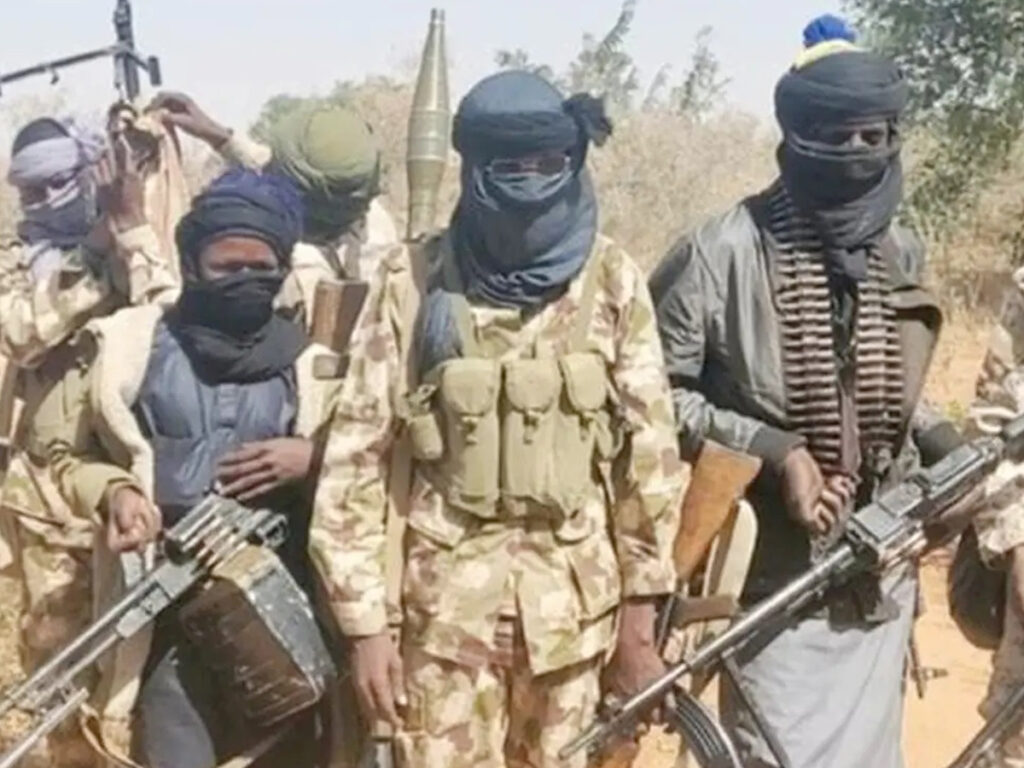

As I pen this article, residents of Fan District in Barkin Ladi Local Government Area of Plateau State are gripped by fear and anxiety following a terrorist attack on miners during the evening hours of last Tuesday. Reports confirmed that 12 people were killed, five were injured, and three were abducted.
This tragedy has intensified terror and panic among locals, who have long endured insecurity and herder-farmer clashes, frequently attributed to ethnic and religious tensions.
The incident occurred barely weeks after the murder of four children in the same Fan District. It followed a petition by Miyetti Allah Cattle Breaders Association of Nigeria (MACBAN) to security agencies and media, detailing assaults on their communities and livestock in Barkin Ladi and Jos East. Chairman of Plateau State Miyetti Allah, Ibrahim Yusuf Babayo, reported that 137 cows were rustled in Barkin Ladi LGA, with 34 more taken in Kukukah village, Jos East, though three reportedly returned home.
Earlier, poisoning incidents were reported affecting grazing cows in Kwi village, Riyom LGA, and around Gero road area in Jos South, resulting in 13 deaths. However, Berom youth leader in the area, Solomon Dalyop, denied the allegations. Nonetheless, retaliatory accusations persist between both sides: an incident in one locality soon prompts another elsewhere. Stakeholders in the area view this attack as an escalation of tensions, particularly after terrorist strikes blamed on armed Fulani groups.
Regrettably, despite security forces’ efforts to prevent banditry, such incidents persist, even after threat reports are filed. Full investigations or arrests remain pending as new events emerge. Actions appear brazen, with each side withdrawing, deflecting blame, and seeking self-exoneration. Consequently, lives and property losses continue, severely disrupting farming and commercial activities in these agrarian and mining-dependent rural communities.
At a major African summit on counter-terrorism cooperation, President Bola Tinubu highlighted the nexus between illegal mining and terrorism across the continent. He linked it to terrorists’ funding for sophisticated weaponry that fuels national insecurity. Security analysts have long emphasised this dynamic in Northwest and North Central states like Zamfara, Kaduna, and Plateau, where illegal extraction of gold, tin, columbite, and gemstones thrives.
Thus, the recent attack may stem from bandits’ efforts to seize mining sites, coercing captives to extract and surrender proceeds for funding. Alternatively, it could be a reprisal, as suggested, following recent herder assaults.
A pressing question arises: Why do community leaders in the area overlook early warning signs during periods like this? Prompt alerts to security, precautionary measures, and prevention of premeditated attacks, day or night, could avert disasters. Given recent and historical patterns, all must recognise that threats can strike anytime; the modus operandi remains unchanged.
In this situation of unrest and serial attacks, where fear deprives families of restful sleep, the importance of early warning indicators, signalling imminent dangers or attacks from escalating tensions, cannot be overemphasised. These signs manifest variably; keen observation and swift action can avert mass casualties. Upon detecting subtle anomalies, rumours in markets or gatherings, abandoned farmlands, or social media posts spreading unfounded accusations and fake news, employ established channels to inform leaders, who can notify security for an appropriate response.
Undoubtedly, credible intelligence enables security to preempt spontaneous attacks, apprehend perpetrators pre-strike, extract vital information from those arrested, and pursue legal action.
A United Nations report notes that early warning systems reduce incidents by 40 per cent in adopting nations. In Nigeria, reliable tips have facilitated security rescues of thousands over the past decade. We must remain prepared, vigilant, and united by sharing intelligence across security units and community volunteers. Early warnings safeguard lives and communities, rather than perpetuate tensions.
While sympathising with the people of Fan District and Plateau State over this calamity, we urge authorities to act decisively on verified intelligence. Swiftness could save even one life. Stay observant, note irregularities, report accurately to trusted security without fabrication, and establish village-to-urban verification networks.
By the grace of God, we shall overcome terrorists and bad elements threatening our homes and villages.
Abba Abubakar Yakubu, a Jos-based multimedia journalist and public affairs analyst, writes from Jos, Plateau State