Nnamdi Ehirim’s second novel, The Brevity of Beautiful Things — in ten stories that seamlessly link to one another, sharing themes of family, friendship, love, lust, longing, betrayal, grief, and death — paints an enduring picture of how the past resurfaces or unites with the present in human relations.
It follows former schoolmates whose lives and expectations span adventurous teenage years in boarding school in the tranquil Ofada town to complex adulthood in the unforgiving city of Lagos.
Subtly and dramatically, the stories unfold in first-person narrative, introducing the main characters — Ufedo, Kamara, Ikenna, Murtala, Faramade, Julius, and Iman — at the appropriate time, driving the plot in an unexpected direction, addressing the complicated themes in a nuanced language, as the suspense builds, chapter by chapter, page by page.
The first story, ‘Matrimony’, and the second, ‘Anatomy of Desire’, set the pace for lust, longing, breakups, marriage, betrayal, and angst, muddled up with feminism and motherhood, following the narrators’ reunion with Ufedo, Kamara, Iman, and their acquaintance with Ikenna. Statements like the narrator’s “I’m here for a good time, not a long time,” and Ufedo’s “A man’s actions are more consequential than his intentions,” reflect the nature of their relationships.
In ‘Silence is a Love Language’, the paths of Kamara of Murtala cross in Madrid, and in ‘Boys Will Be Boys’, those of Murtala and Faramade cross in Nigeria, years after graduation, triggering recollections from their exploits in boarding schools.
‘Plastic Flowers Bloom Forever’ and ‘Music Room’ explore the consequences of the choices Faramade, Ufedo, Iman, Murtala, and Julius make as they seek love and meaning in their lives at boarding school. Faramade summarises those days and experiences as thus: “Nothing hurts more than watching your personhood grow invisible. You become a ghost and your spirit dies slowly.”
In ‘Sickbed Soliloquy’ and ‘How to Write an Eulogy’, the characters’ carefree lives and insatiable expectations lead to the death of Ufedo, leaving Iman, Kamara, Julius, and Ikenna pondering the brevity of love and life.
In ‘False’, Kamara struggles with “Ufedo’s ghost and her haunting presence,” while bribing the police to save Julius from prosecution for assault, the same day the mother of his child, Ufedo, is buried. In the last story, ‘God & Herself’, Iman reels over her unhappy life, which is why, after giving her eulogy at Ufedo’s funeral, she kidnaps her daughter with the intention of giving her the love and life she is not fortunate enough to have.
The Brevity of Beautiful Things, though intriguing in its themes and plot, is not without flaws. First, from the lengthy description of events that could have been shown rather than told. Second, the first-person narrative style makes it difficult to identify with and relate to some of the characters, especially the narrators in ‘Matrimony’, ‘Sickbed Soliloquy’, and ‘False’. Furthermore, in a few instances, there are a bit of digressions from the focus of some of the stories in an attempt to offer more perspectives, which may confuse the reader or dilute the intensity of the plot. However, apart from these few observations, the novel has made its mark as one of the literary works that boldly mirror how friendship shapes people and society.
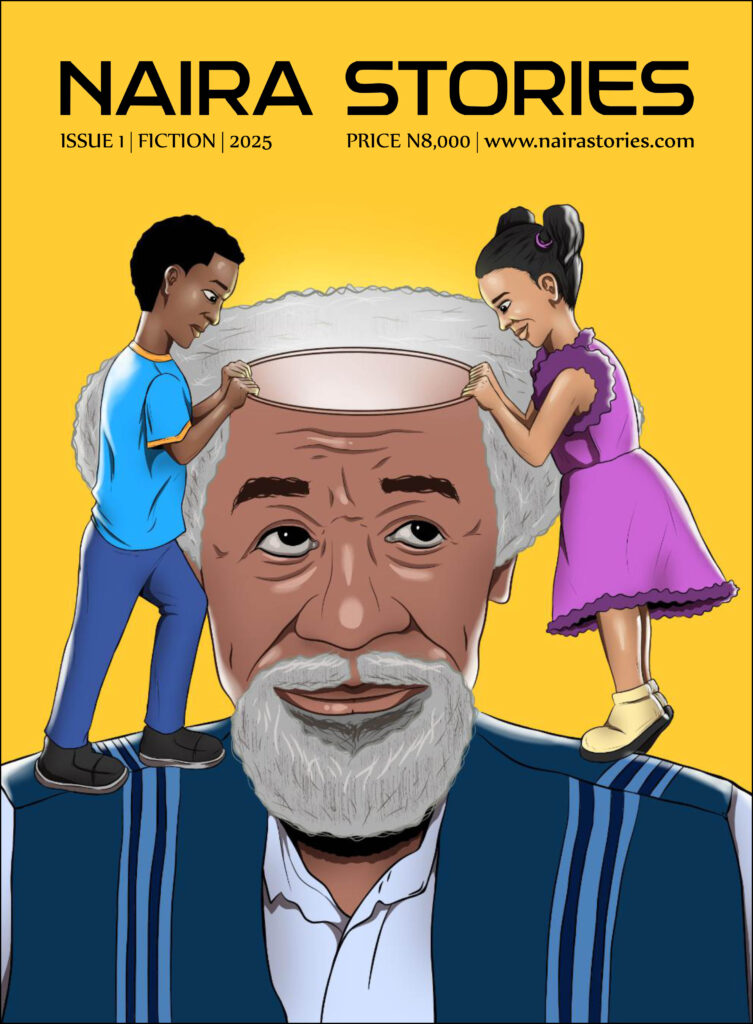
The stories in the novel remind us of other stories — short stories — that explore complex friendship and love realities in contemporary Nigerian society, like Arinze Ifeakandu’s ‘God’s Children Are Little Broken Things’ (A Public Space, Issue 24), Kanyinsola Olorunnisola’s ‘The Women in My Life Are Unfinished Portraits’ (Transition, Issue 131), Kingsley Alumona’s ‘Beautiful People’ (Afritondo, online, 2022), Ikechukwu Henry Chinedu’s ‘Confessions’ (Naira Stories, Issue 1), and Gerald Onyebuchi Ewa’s ‘What is the Essence of Beauty’ (Naira Stories, Issue 1).
While the themes, plot, and narrative style of the novel seem complex, it is told in simple English, making it easy for both young people and adults to follow. Moreover, Ehirim does not mince words when it is germane to boldly express things the way his characters really feel about them. Words like “vagina”, “ass”, “fuck”, “shit”, and “faggot” feature when necessary.
The dialogue is not only natural and easy to relate to, given the complex themes and plot of the novel, but also reflects the intricate transitioning of age (from teenage to adulthood) of the characters. The novel boasts a beautiful yet simple cover, is well typeset, and is printed on quality paper, and above all, is well edited, which is reflected in its smooth readability and prosaic finesse.
Ehirim’s choice of these ten stories, and the way he structures and builds on them to portray family and friendship, love and lust, grief and death, seems deliberate. It signifies his mastery in making complex themes relatable, even to young people. The author’s ability to sustain the unique dispositions of the characters, from teenage years to adulthood, suggests he knows the nuances associated with transitioning from one age group to the other.
With this novel, the author, with some level of success, attempts to combine romance fiction and literary fiction. Furthermore, the book excels as both a coming-of-age novel and an adult novel, which establishes Ehirim as an author to look out for in the craftsmanship of these fiction genres.
Nnamdi Ehirim’s The Brevity of Beautiful Things captures the essence of the maxim: “Beauty is in the eyes of the beholder,” asks hard questions about family, friendship, and companionship, and how love and lust drive them, while also offering a unique perspective on how to look at the past, live in the present, and perceive the future in a world where nothing is certain, and where beautiful things are usually the first victims of lust and betrayal.
The Brevity of Beautiful Things (literary fiction, 152 pages) by Nnamdi Ehirim. Published in November 2024 by Ouida Books.
Kingsley Alumona is a geologist, writer, poet, journalist, columnist, and media consultant from Delta State, currently living in Ibadan, Oyo State, Nigeria. He holds a BSc in Geology from the University of Nigeria and an MSc in Geophysics from the University of Ibadan. He’s a Senior Reporter with the Nigerian Tribune newspaper, and the Founder and Managing Editor of Naira Stories Magazine. He’s an alumnus of the Nigerian Academy of Letters’ Creative Writing Workshop. His writings have appeared in the 2018 African Book Club Anthology, Kalahari Review, Nthanda Review, TUCK Magazine, Brittle Paper, Afritondo, Digirature, Ngiga Review, Pawners Paper, Omenana (Issue 17), Transition Magazine (Issue 131), Afrocritik, Botsotso Literary Journal, Fortunate Traveller, Naira Stories Magazine (Issue 1), and Farafina Blog. You can reach him on Facebook: @kingsley.alumona.1.