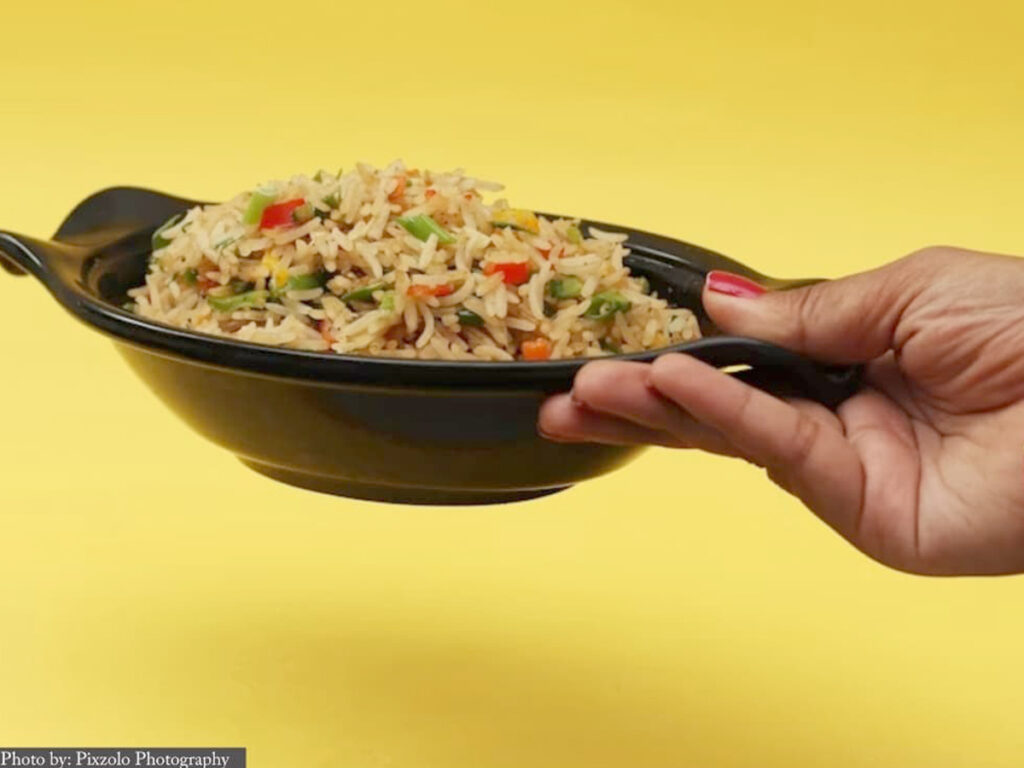

There is something remarkable about how raw ingredients can be creatively transformed into a masterpiece. Cooking is magic — measuring the ingredients, tweaking the recipe, and failing at experiments until you finally arrive at that perfect, desired taste. Nothing beats that feeling.
I love cooking. My introduction to this magical world dates back to when I was six years old.
My mum had put a pot of beans on the electric cooker and asked me to watch it while she ran an errand. I was ecstatic. This was the first time I had been trusted with a kitchen task that wasn’t just washing dishes. I sat by the cooker, watching the beans bubble. A few minutes in, it occurred to me that the food was missing something. I hadn’t seen my mum add salt.
As a ‘good’ kitchen assistant, I concluded that it must have slipped her mind. So, I added a generous pinch on her behalf. You can guess the result. Surprisingly, when she returned and tasted the brine-soaked beans, she didn’t yell. She gently guided me on the importance of timing and told me to always wait for her. From that moment, I realised the kitchen was a place where I belonged.
As I grew older, the experiments continued. When I was eleven, I watched a chef on TV prepare native rice. Remember, we didn’t have YouTube or social media back then to save posts for later. You had one shot to memorise the magic. That single viewing was enough. A few days later, with my mum’s support, I gathered the ingredients. I coached her through the steps I had memorised, and by the time we were done, the aroma filled the house.
She was stunned I had picked it all up from the screen.
However, the road to mastery was paved with disasters. I vividly remember a pot of spaghetti so drowned in water that the pasta became as soggy as a wet rag. Unimpressed, my dad decreed that I must finish the entire pot as a punishment. Naturally, I waited until my parents were out the next morning to tip the remains over the fence.
Then, there was the time I made eba. According to my father, a single scoop of it could have fulled Goliath — it was literally dense enough to give a man a concussion. It was less a meal than a weapon, forged in my naïve enthusiasm.
However, despite these ‘weapons of mass digestion’, my love for cooking never wavered. I chose Home Economics in junior secondary school and Food and Nutrition for my senior years.
If you attended secondary school in Nigeria between 2007 and 2015, you know the reputation of Food and Nutrition. Most students avoided the theory, but everyone lived for the practicals. Agricultural Science and Food and Nutrition students always jostled for the title of ‘best subject’, but once the stoves were lit, all rivalries were forgotten. The lab would be swarmed by overeager ‘tasters’. Even the teachers joined in, parading through the lab under the guise of ‘checking in’, their eyes lingering on the pots in expectation of their share.
Finally, it was my turn to prove myself. Every experience since the age of six had led to this: the WAEC practical examination. Our task was to create three dishes that skillfully incorporated eggs. Initially, I was prepared. I planned meatballs for an appetiser, and egusi soup with semovita for the main, using eggs to bind the egusi. A few weeks prior, I had prepared a similar meal for the vice principal, who told me, “She should cook this for her parents every time.”
I was confident. I was going to “show wonders.”
But as the exam approached, doubt crept in. Most of my peers were choosing jollof rice and moin-moin. I thought, Why not me? I had watched my mum make it a thousand times. It looked easy enough. Against my teacher’s insistence that I stick to my original plan, I held firm. I wanted the crown. I wanted jollof.
Jollof rice was the soul of my childhood, reserved for special occasions or when my mum was in a particularly good mood. There is something unique about it — the memories it evokes, the sacred aroma. Fried rice is a contender. Sure. But jollof is the undisputed king. This dish has started wars, split friendships, and divided nations. As a Nigerian, I know our jollof is the best, and the pinnacle of them all is party jollof.
There are many sub-sects of this kind. First is ‘burial jollof’, served at the funeral of a ninety-year-old under a canopy branded A Glorious Exit. It’s pale, served in plastic bowls, and garnished with thick slices of onion. Then there is wedding jollof, naming ceremony jollof, and even vow-renewal jollof. I had seen them all, but I had never actually cooked one.
Buoyed by borrowed confidence, I went shopping at the only supermarket I trusted: my mother’s shop. I raided her shelves for flour and seasoning, ignoring her protests that I was emptying her inventory.
“Must you bankrupt me because you want to write WAEC?” she joked.
Presentation is everything. So, I also raided the sitting room.
I took the ‘guest-only’ glass plates, the flower vase from the dining table, and the best table mats. On exam day, I wasn’t just a student; I was a caterer with her biggest booking. The morning of the exam, I heaved a massive Ghana-must-go bag into my dad’s car.
“Comfort, are you going to a party?” a neighbour teased.
I just laughed, though my heart was pounding.
Inside the school lab, the atmosphere was electric. Seven of us were competing for glory. Our bags stuffed, our faces set in grim determination. I set up my station and began with the meatballs. They were perfect — brown, firm, and seasoned. My heart lifted. I’ve got this, I thought.
“Don’t taste!” the invigilator’s voice rang out, snapping us to attention.
I moved to the moin-moin. Following my teacher’s advice to be “presentable”, I eschewed the traditional transparent nylons and used plastic bowls. I set them on my first kerosene stove and turned to the main event: the jollof. I fried the onions, then the tomato paste, adding the pepper blend and seasoning. Once the base was bubbling, I added water, let it boil, and poured in the rice. While it simmered, I checked the moin-moin.
Disaster.
The stove had flickered out, or perhaps I had failed to set it properly. The batter had spilled into the pot, turning the steaming water into a murky soup, and the moin-moin itself was still raw. Panic set in. I scrambled to salvage what I could, glancing at my classmate, the one who had stuck with the egusi soup and semo. She was almost done, her station clean, and her food smelling like a dream.
I turned to my jollof for consolation. But when I lifted the lid, I nearly wept. The rice was cooked, but it was submerged. Excess water floated on top like a flood in a Lagos street during the rainy season.
“No. leave it. It’ll dry,” my teacher whispered when I showed her. “Sieving it is messy. You’ll lose marks.”
I wanted to sieve it. Every instinct told me to drain the water. But she was the expert, so I heeded her advice. I watched helplessly as the slow-burning stove failed to evaporate the flood. The rice didn’t dry. It softened. It became a soggy, orange mash.
“Fifteen minutes more!”
The gods of my ancestors had clearly turned their backs on me. I pulled the soggy rice and the salvaged moin-moin from the heat. I decided that if I couldn’t win on taste, I would blind the examiner with beauty. I cleared the area and set the table with my mother’s stolen treasures — the vase, the mats, and the fine glassware.
My meatballs and pineapple juice were my frontline warriors, positioned to distract from the soggy infantry in the back. The examiner approached. My heart was in my mouth. She took a bite of the meatballs, a nod of approval. She tasted the juice, a glowing commendation.
Then, she reached for the jollof.
She took one bite and stopped. She didn’t even try the rest.
As she moved to the next station, a voice whispered in my ear: “Why didn’t you sieve the excess water from the rice?”
I turned, astonished. It was my teacher.
“But… you told me not to, ma’am!” I stammered.
She looked at me blankly and denied ever saying it.
I was livid. I wanted to scream, You ruined my presentation! But I swallowed my anger.
I watched my classmate receive a perfect score for the egusi soup I was supposed to have made. I should have focused on my strengths instead of chasing a jollof crown I hadn’t earned.
I packed my things in a daze. I wasn’t in the mood to share my ‘rubbish’ with the students waiting outside. Even the gods would have rejected that rice as a sacrifice. I gave away the pineapple juice, the only thing that saved my dignity, and took the rest home with my tail between my legs.
When I got home, my mum tasted the food. She praised the meatballs but echoed the painful truth: “You should have sieved that water, Comfort.”
When the results eventually came out, I was relieved. I didn’t get an A, but I managed a C4. It was a passing grade, but a failing memory.
Many years have passed since that day. I’ve improved… enough. At least, to cook a decent jollof for myself. I may never win a competition, and I still haven’t mastered that elusive, smoky party flavour, but my grains no longer drown.
I remain convinced that jollof rice is one of Africa’s greatest gifts to the world. Served with mayonnaise-heavy coleslaw and fried turkey, it’s still my favourite meal. And even if I never master the art of cooking it perfectly, I’ve long since mastered the art of eating it.
That, at least, I do with pride. ♦
Comfort Oseni is a Nigerian writer and storyteller drawn to honest, reflective narratives that explore culture, society, and everyday life. She writes creative nonfiction, fiction, and poetry, often blending humour with quiet introspection. She is also the author of three books: The King’s Bride, Her Story, and the poetry anthology Echoes of Solitude. When she is not writing, she is teaching, editing, or experimenting in the kitchen, sometimes unsuccessfully. The Day I Fought with Jollof Rice is, thus, inspired by her lived experiences and her belief that failure, when examined closely, becomes a powerful teacher.