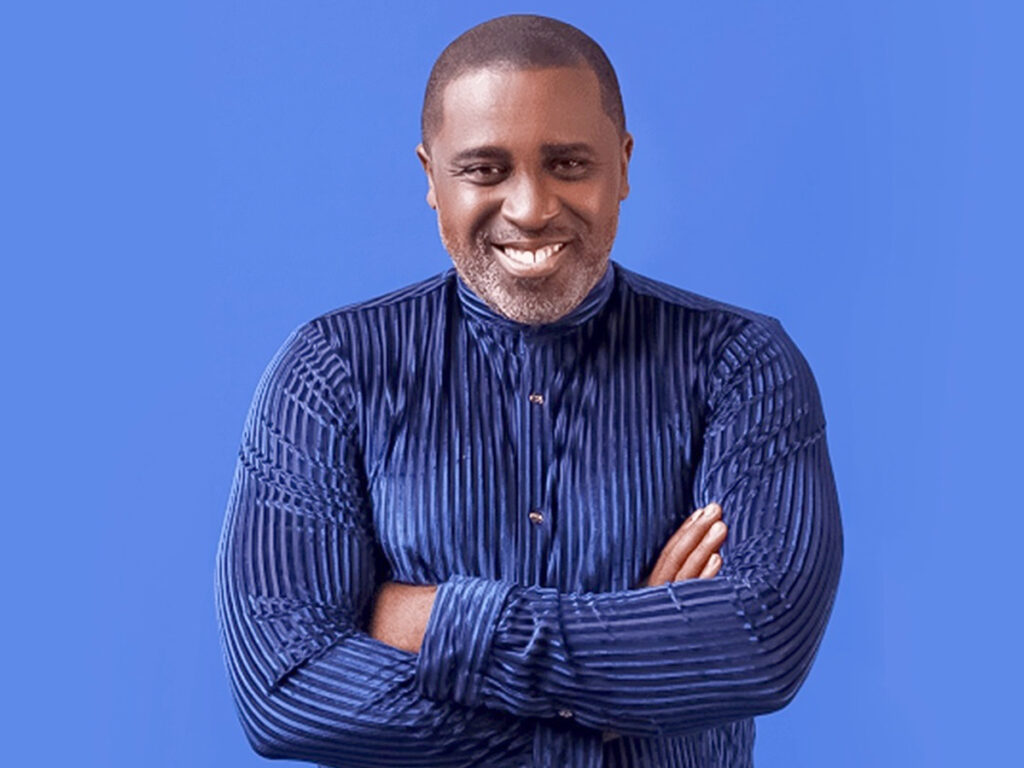

Seasoned Nigerian broadcaster Frank Edoho has stated that he does not want his death to be associated with any woman, regardless of the nature of the relationship, as he reflects on life, legacy, and how he wishes to be remembered.
The media personality said this during a recent interview on the Outside The Box podcast, later re-uploaded to YouTube, where he discussed his thoughts on mortality, emotional well-being, and the importance of living a life free of unresolved pain and regret.
Edoho emphasised that his greatest wish is to depart the world in peace, with a sense of fulfilment over the positive impact he has made on others.
According to him, he hopes to live and die without lingering bitterness or emotional burdens, stressing that what matters most is the ability to look back on life with satisfaction rather than regret.
He explained that he wants his final moments to reflect happiness over the lives he may have touched, rather than unresolved emotional struggles or painful circumstances surrounding his death.
In his words, Edoho expressed concern about how people interpret the circumstances of one’s passing, saying he would not want a situation where his death is attributed to a woman, no matter the relationship involved, whether as a wife, daughter, or mother. He said such an association would be deeply undesirable and not reflective of how he wishes to conclude his life journey.
“I don’t want to go to the gates of heaven and they ask me what killed me and they say it’s a woman. Whether that woman be my daughter, my wife, my mother, I don’t want that. I don’t want that to be my way out of this portal,” he said during the interview.
He further explained that his ideal legacy is one of kindness and positivity, where he can confidently say he made people smile and contributed positively to their lives.
Edoho added that his only regret, if any, should be that he did not do enough good for others, rather than wishing for more time or lamenting missed opportunities.
“I want to die with a smile on my face, saying that all the people I met, I tried to put a smile on their face, and to have the only regret that I wish I did more good. Not that I wish I had more time, that is all,” he added.
The broadcaster, who gained national recognition as the host of the Nigerian edition of Who Wants To Be A Millionaire, also touched on broader themes such as male vulnerability, silent emotional struggles, and the pressure many men face in expressing pain or seeking support.
His comments have since sparked conversations around mental health, relationships, and how public figures articulate personal reflections on mortality.