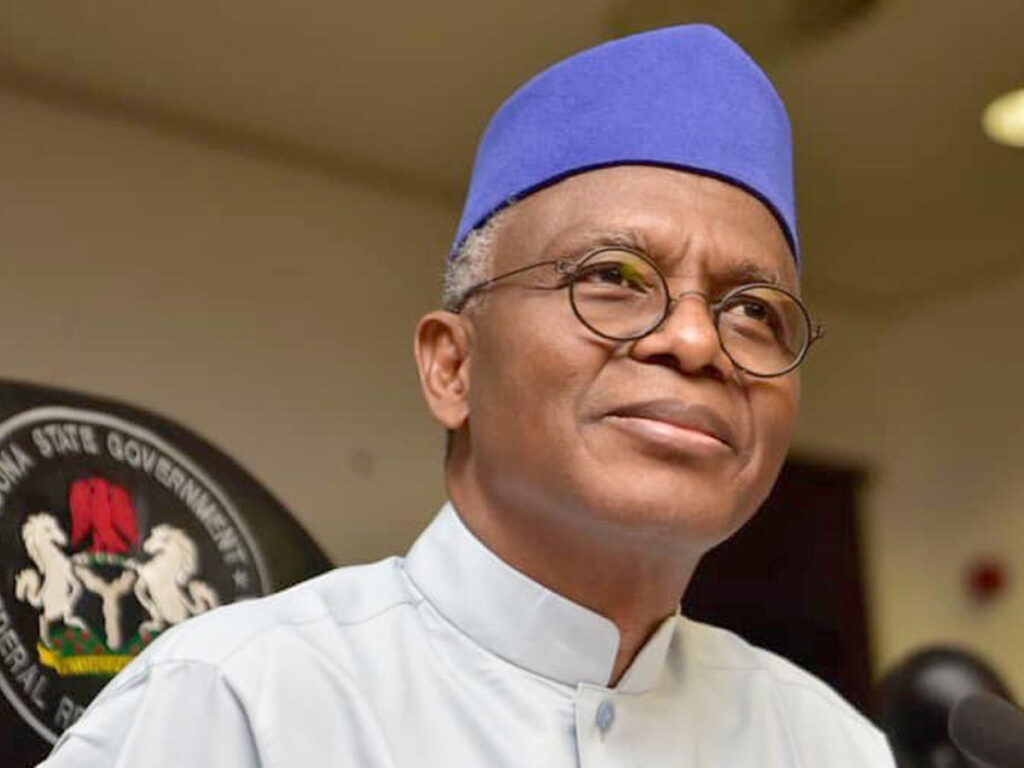

Former Kaduna State governor, Mallam Nasir El-Rufai, will remain in the custody of the Independent Corrupt Practices and Other Related Offences Commission (ICPC) until March 19, 2026, as the agency continues its investigation into alleged corruption.
The court’s decision allows ICPC additional time to conclude its probe before deciding whether to formally charge him or release him on administrative bail.
El-Rufai was first taken into ICPC custody on February 18, immediately after being released by the Economic and Financial Crimes Commission (EFCC), which had detained him on February 16 over related corruption allegations.
Following his arrest, the ICPC obtained an initial 14-day remand order on February 19, which expired on March 5. Sources indicate that his perceived lack of full cooperation during this period contributed to the agency’s request for a further extension of his detention.
On March 5, Magistrate Okechukwu John Akweke of a Magistrate Court in Bwari, Abuja, granted ICPC’s application for an additional 14-day remand.
The magistrate ruled that the commission could continue to detain El-Rufai to allow for the completion of its investigation into allegations of money laundering and abuse of office.
The court acted on a formal request submitted by ICPC lawyer Osuobeni Akponimisingha, who emphasised the need for more time to conclude investigative activities.
El-Rufai’s detention coincides with ongoing scrutiny from the Department of State Services (DSS), which is seeking to prosecute him over the alleged wiretapping of communications belonging to the National Security Adviser (NSA), Mallam Nuhu Ribadu.
His planned arraignment at the Federal High Court in Abuja has been delayed due to his continued remand with the ICPC, further extending the timeline of legal proceedings against him.
The ICPC launched its probe after receiving multiple petitions detailing alleged misconduct by El-Rufai during his tenure as Kaduna State governor. The agency’s investigation includes reviewing documents, interviewing witnesses, and coordinating with the EFCC, which had detained him earlier on similar allegations, highlighting the seriousness of the case and the multi-agency approach to high-profile corruption probes.
Observers note that the extension of his remand highlights challenges faced by anti-corruption agencies in obtaining cooperation from prominent political figures. The additional detention period will allow ICPC sufficient time to finalise its investigations, ensuring that it has collected all necessary evidence before deciding on prosecution or administrative bail.
El-Rufai, a senior member of the African Democratic Congress (ADC), has consistently denied wrongdoing and asserts that he is cooperating with the authorities. His legal team has indicated that they are closely monitoring the investigation and are prepared to respond once the ICPC concludes its inquiries.