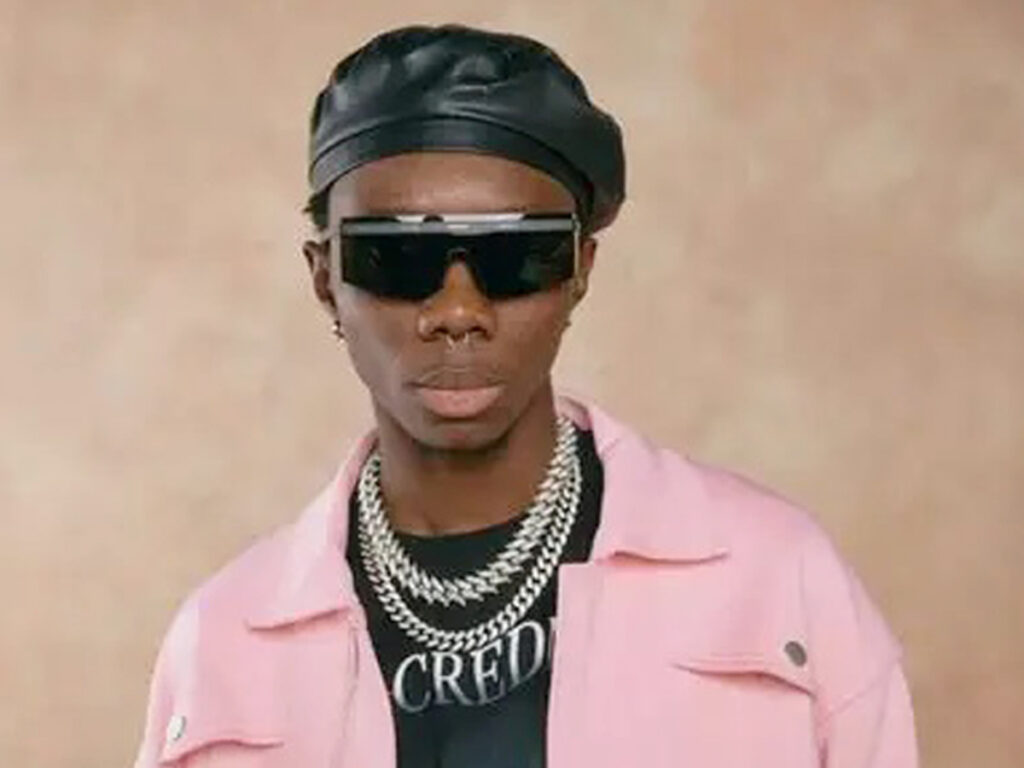

Nigerian rapper Emeka Akumefule, popularly known as Blaqbonez, has said travelling abroad has made him realise how far Nigeria lags behind other countries in development, expressing his desire to spend his retirement outside the country.
The rapper made this known during a recent episode of The Zeze Millz Show, where he described Nigeria as “hectic” and said he did not want to spend the rest of his life living in the country.
Despite his reservations about living in Nigeria long-term, Blaqbonez acknowledged that the country retains a unique appeal through its vibrant atmosphere, energy and strong culture of hard work.
He also expressed his wish for Nigeria to become a better country, suggesting that his concerns were shaped by his exposure to life abroad.
“Nigeria is hectic, but it is still home. When you go to other countries, you will realise how far we are from where we should be. But the vibe and energy are still there. There is a hustle spirit that comes with being Nigerian. I really wish the country was better,” he said.
Blaqbonez further explained that his long-term plans do not include remaining in Nigeria throughout his life, particularly when he reaches retirement. He said his ideal retirement would involve living on a large ranch and raising animals, a lifestyle he does not envisage pursuing in Nigeria.
“I don’t want to spend the rest of my life living in Nigeria. I don’t think that there is any successful person who wants to live in Nigeria after retirement. Maybe there are some people. But the way I picture my retirement is living in a big ranch and raising some animals. That is not a thing that is in Nigeria,” he said.
The rapper also acknowledged that Nigeria’s difficult environment can serve as motivation for people to work harder. His observation points to what he described as the country’s hustle spirit, which he believes remains an important part of the Nigerian experience despite the challenges.
Blaqbonez’s remarks combine criticism of Nigeria’s development with an appreciation of its cultural vibrancy. While he believes the country has considerable ground to cover, he maintained that its energy and sense of home remain distinctive.