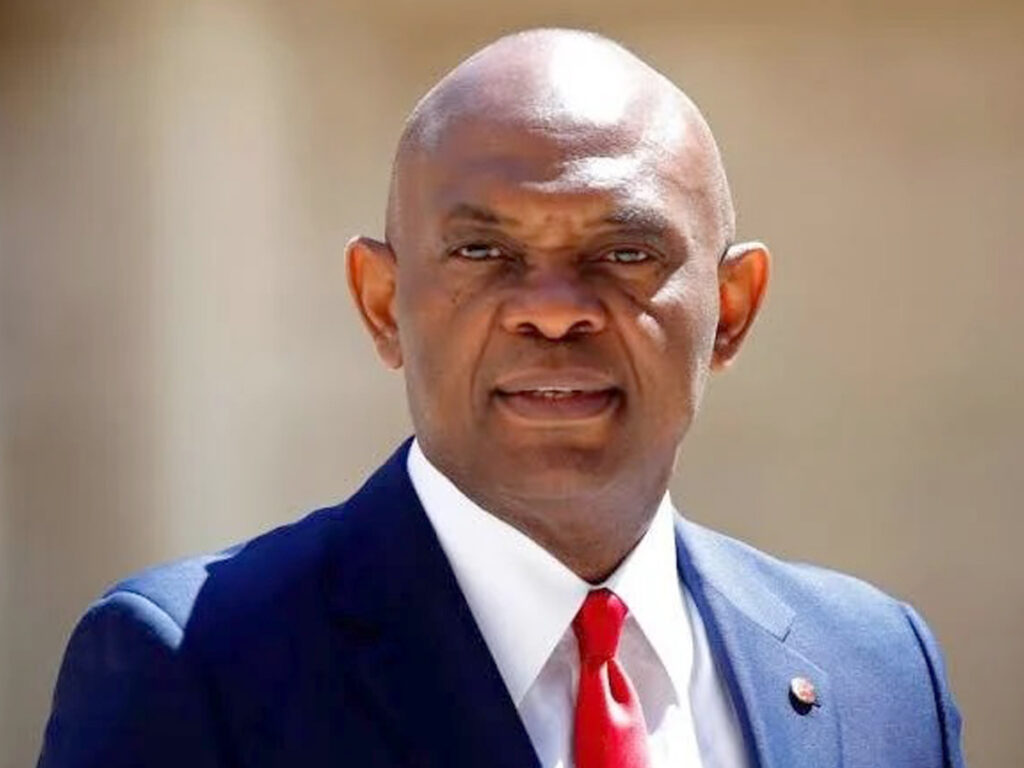

Media personality Daddy Freeze has criticised a United Bank for Africa (UBA) graduate over a viral incident in which she addressed UBA Chairman Tony Elumelu by his first name during a conference, saying the graduate should have shown greater consideration for his age, status and position.
Freeze shared his reaction to the incident on Instagram, where he said the situation raised broader questions about respect for older people in Nigerian society.
The controversy followed the graduate’s decision to address the 63-year-old businessman simply as “Tony” during the conference.
Freeze expressed his disappointment in strong terms, saying he was more embarrassed for the graduate’s parents than for the young woman herself.
He argued that age and social standing should be considered when addressing older people, particularly individuals who occupy senior positions.
The media personality, who disclosed that he is 50 years old, said he would also not feel comfortable addressing Elumelu by his first name because the businessman is 13 years older than him.
According to Freeze, the circumstances would be different if the age difference were only a few years, but he maintained that a substantial age gap and Elumelu’s position made the situation different.
Freeze also referenced his own experiences with younger people whom he felt had addressed him inappropriately.
He said his financial independence has allowed him to distance himself from situations and behaviours that he considers unacceptable, using the personal experience to reinforce his position on how younger people should interact with older individuals.
The media personality further attributed what he considers to be a decline in traditional respect for elders to the growing influence of what he described as “wokism” among younger people. He suggested that changing social attitudes are contributing to a gradual erosion of established expectations around how older people and authority figures should be addressed.
The controversy has therefore evolved beyond the conference incident itself, with the discussion touching on generational differences, workplace etiquette and changing attitudes towards traditional forms of respect.