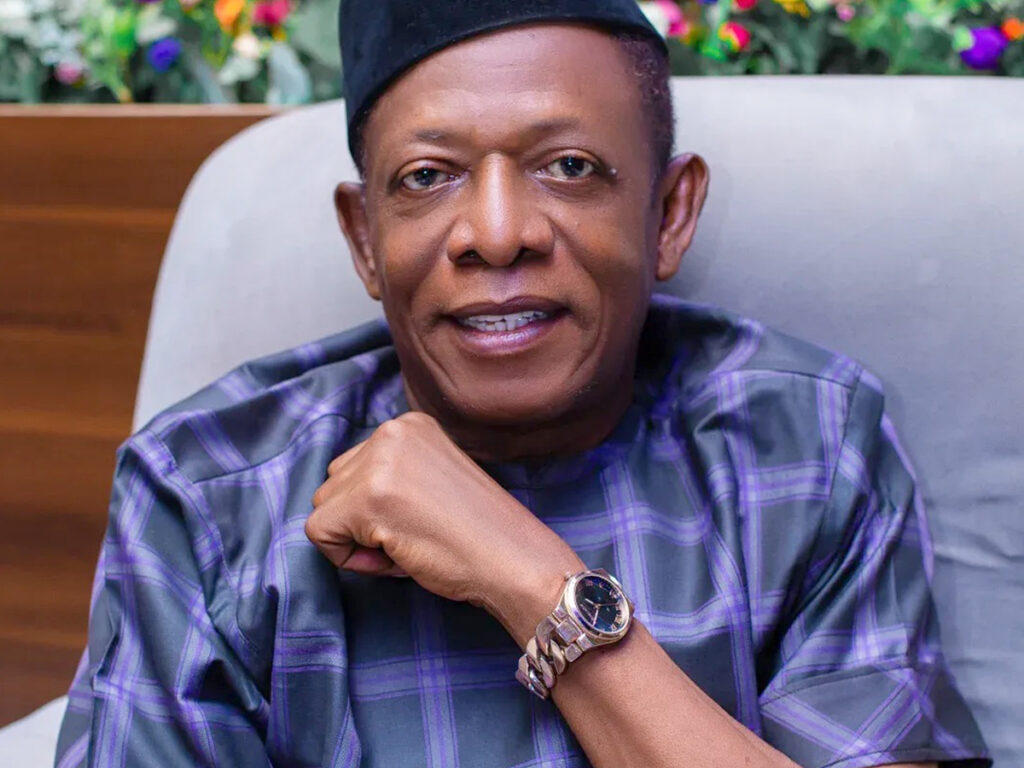

Veteran Nigerian comic actor Nkem Owoh, popularly known as Osuofia, has disclosed that his journey into acting was unplanned, explaining that he originally worked behind the scenes as a scriptwriter before an unexpected transition in the 1980s pushed him into on-screen performance.
Speaking on the Selah Meditate podcast, Owoh said his move into acting was driven by colleagues who consistently recognised his comedic ability and encouraged him to appear before the camera, a shift that eventually defined his entertainment career.
According to him, however, people began to notice his natural humour during production processes and repeatedly urged him to take up performance roles.
Owoh explained that he initially resisted the idea but later yielded to the pressure, a decision that unexpectedly opened the door to his long-standing career in comedy and film.
He recalled that his breakthrough moment came when a television station, ATV, offered him a seven-minute stand-up comedy segment in the 1980s after he repeatedly made crew members laugh behind the scenes.
He said the opportunity was extended because his humour had become noticeable within the production environment, prompting the station to give him a formal platform in front of the camera. Although hesitant at first, he eventually accepted the offer after sustained encouragement from colleagues, marking the beginning of his visibility as a performer.
He further explained that his first on-screen appearance was met with positive audience response, which reinforced his decision to continue performing. According to him, the acceptance he received from viewers confirmed that his talent could translate beyond behind-the-scenes writing into mainstream entertainment.
That early success, he said, gradually shaped the direction of his career and led him fully into acting, where he later became one of Nigeria’s most recognisable comic figures.
Reflecting on his career progression, Owoh also addressed the personal impact of fame, noting that celebrity status significantly altered his lifestyle. He stated that while many people aspire to fame for its perceived benefits, they often overlook the limitations it imposes.
According to him, becoming a public figure reduced his personal freedom and restricted everyday activities he once carried out without public attention, adding that visibility in the entertainment industry can place lasting limitations on personal privacy and movement.