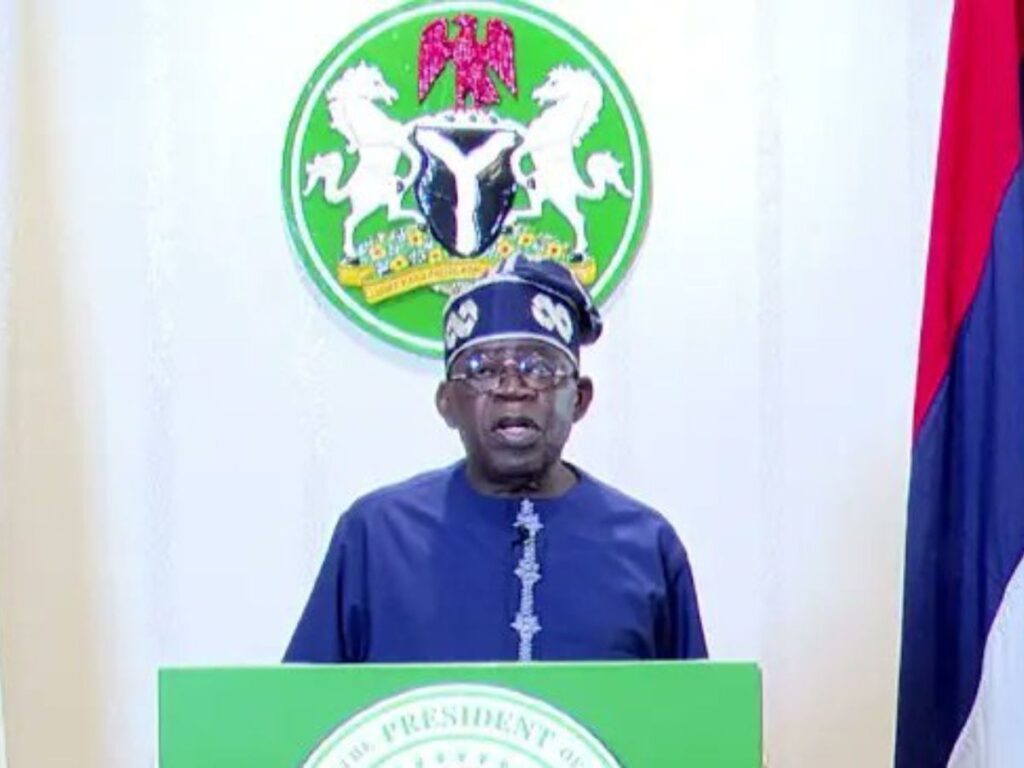

President Bola Tinubu has reaffirmed that the implementation of Nigeria’s new tax laws will commence on January 1, 2026, dismissing calls from the opposition and pressure groups for a suspension of the reforms.
In a statement, the president described the reforms as a “once-in-a-generation opportunity” to establish a fair, competitive, and sustainable fiscal foundation for the country.
He emphasised that the new tax measures are not intended to increase tax burdens, but to support structural reforms, harmonise the tax system, and uphold citizens’ dignity while strengthening the social contract.
“The new tax laws, including those enacted on June 26, 2025, and the remaining acts scheduled to take effect from January 1, 2026, will proceed as planned,” the statement read.
“Absolute trust is built over time through making the right decisions, not through premature, reactive measures,” he added.
Tinubu urged Nigerians, businesses, and relevant stakeholders to back the implementation phase, which he said is now “firmly in the delivery stage.”
He assured that no substantial issues have been identified that would warrant delaying the reforms, noting that the administration remains committed to due process and the integrity of enacted laws.
The president’s position comes amid growing concerns over alleged discrepancies between the versions of the tax bills passed by the National Assembly and the gazetted versions made publicly available.
Members of the House of Representatives, including Abdussamad Dasuki, have questioned the consistency of the documents, suggesting that the versions sent to the president for assent may differ from the harmonised bills certified by the parliamentary clerk.
Dasuki told reporters that the official harmonised bills remain inaccessible to lawmakers and that comparisons with gazetted copies are therefore difficult.
“Only the House of Representatives or the Senate can authoritatively confirm the versions submitted to the president. Even, I cannot say for certain, as I only have the copies presented for assent,” he said.
These claims have sparked calls for the suspension of the laws from opposition leaders such as Peter Obi and Atiku Abubakar, as well as from professional bodies like the Nigeria Bar Association (NBA), which have urged the Federal Government to halt implementation until the discrepancies are clarified.
Despite the controversies, the government has maintained that the reforms are “pro-people” and designed to ease the tax burden on vulnerable Nigerians.
According to the Presidential Committee on Fiscal Policy and Tax Reforms, chaired by Taiwo Oyedele, the laws are structured to ensure that nearly 98 per cent of Nigerian workers and 97 per cent of small businesses will either be fully exempt from taxes or see their liabilities significantly reduced.
The four tax reform bills signed into law in June 2025 include the Nigeria Tax Act, Nigeria Tax Administration Act, Nigeria Revenue Service (Establishment) Act, and Joint Revenue Board (Establishment) Act.
They consolidate the country’s tax framework under a single authority, the Nigeria Revenue Service, and are widely regarded as the most comprehensive overhaul of the tax system in decades.
Tinubu also reassured Nigerians that his administration will continue to work closely with the National Assembly to resolve any emerging issues and will prioritise public interest in shaping a tax system that promotes prosperity, equity, and shared responsibility.
The government’s firm stance signals that the reforms, despite legal and political scrutiny, are expected to proceed as planned in the New Year, marking a major milestone in Nigeria’s fiscal policy agenda.