
A fresh national security debate erupted on Wednesday after former Deputy Speaker of the House of Representatives, Ahmed Idris Wase, alleged that suspected Boko Haram members and other criminal elements were once discovered on official recruitment lists of the Nigerian Army and the Nigeria Police Force.
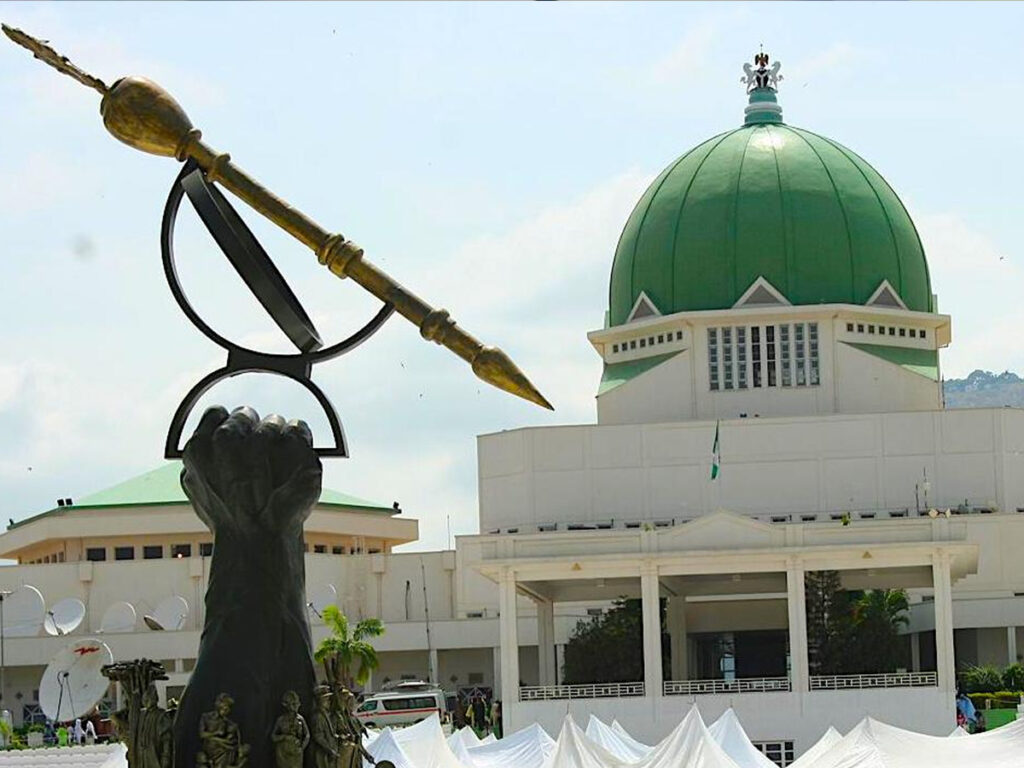
Wase, who represents Wase Federal Constituency in Plateau State and leads the North Central Caucus in the House, made the disclosure during a special plenary session convened to examine the worsening security situation across the country.
According to him, the alleged infiltration highlights deep structural flaws in Nigeria’s security-recruitment process.
Although he did not provide names or dates, Wase insisted that the claim could be verified by Muktar Betara, a former Chairman of the House Committee on Defence and the current head of the Federal Capital Territory Committee.
He warned that allowing criminally-minded individuals into the nation’s security institutions poses a grave threat to national stability.
He explained that several recruitment exercises in past years reportedly contained names of individuals who were already known to local communities as Boko Haram affiliates, armed robbers or members of criminal gangs. The lawmaker criticised what he described as careless political endorsements during recruitment screening, stressing that only credible and trustworthy applicants should be recommended.
The former deputy speaker, who emotionally recounted losing a brother, cousin, and nephew to terrorist attacks, said the North Central region alone now accounts for “about 52 per cent” of the country’s insecurity burden. He added that the fear gripping communities has become so severe that his younger brother recently pleaded to be relocated from their violence-ravaged hometown.
Wase also faulted the presidential directive withdrawing police orderlies from VIP protection duties, arguing that although the policy was well-intentioned, its implementation must be clearly categorised to avoid exposing certain public officials to heightened security risks.
Other regional caucus leaders echoed similar concerns during the tense plenary session, painting a grim picture of Nigeria’s deteriorating security landscape.
Speaking for the North-West Caucus, Sada Soli of Katsina State described insecurity in the region as “multidimensional and layered,” driven not only by criminal violence but also by environmental pressures, governance gaps, and deepening economic hardship.
Soli argued that military might alone cannot resolve the threats, calling for reforms in land and livestock governance, climate-response management and community-centred peace-building.
Betara, representing the North-East Caucus, described the zone as the “epicentre of terrorism and insurgency,” citing tragic episodes including the Baga massacre of 2015 and recurring bomb attacks that have killed civilians and security personnel.
Betara stated that although the scale of the crisis remains enormous, coordinated planning and unwavering political commitment could help restore public trust.
For lawmakers from the South-South, the problem goes beyond poor recruitment systems or inadequate strategies. Solomon Bob of Rivers State accused successive administrations since 1999 of lacking the courage to confront insurgents and armed groups decisively.
According to him, governments over the years have often sought to negotiate or pacify violent actors rather than enforce the law.
Contributing from the South-West perspective, Chairperson of the House Committee on Women Affairs, Kafilat Ogbara, lamented the disproportionate impact of insecurity on women and children. She referenced recent mass abductions in communities such as Papiri and Kamba, describing them as evidence of the state’s failure to uphold its primary responsibility to protect citizens.
The House is expected to deliberate further on recruitment reforms, inter-agency coordination and emergency security interventions in the coming weeks.
As pressure mounts, Nigerians await clarity from defence and police authorities on the alleged compromised recruitment lists and what safeguards are in place to prevent future breaches.