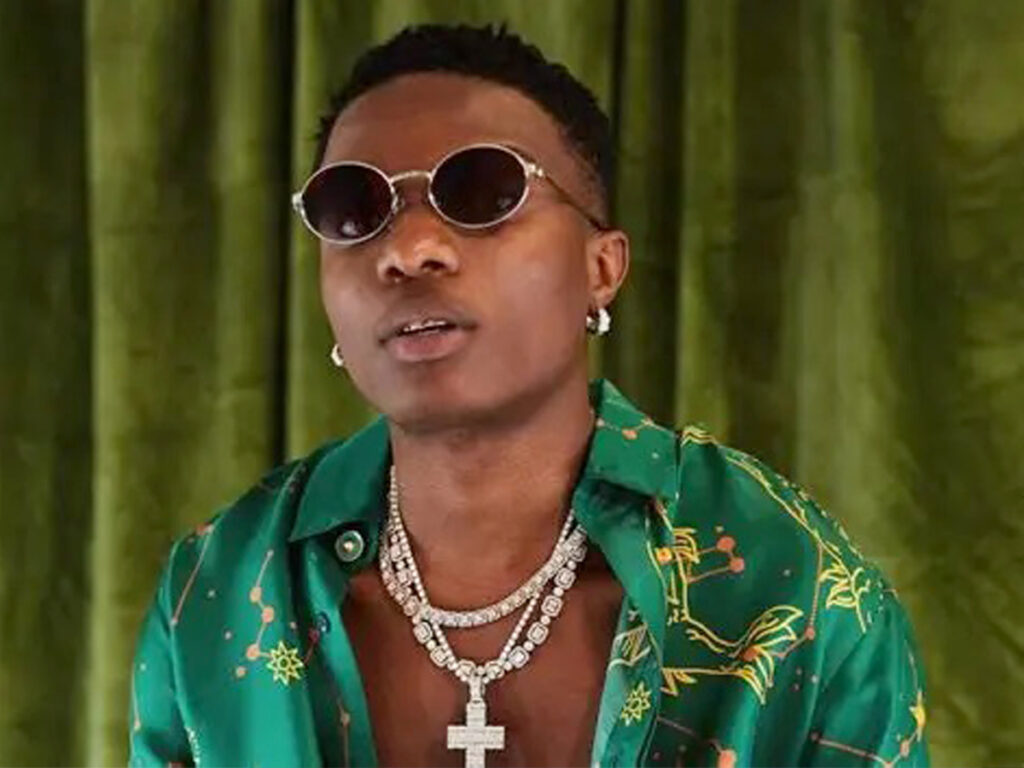

A fresh controversy has erupted around Grammy-winning singer Ayodeji Balogun, popularly known as Wizkid, after a snippet from his forthcoming documentary ‘Long Live Lagos’ showed him saying he had “no blueprint” on his rise to global stardom.
The comment, initially intended to highlight his personal struggles and unconventional path to fame, has instead reignited conversations that have trailed the singer for more than a decade. The fallout draws from earlier disputes involving his former record label, senior musicians, competing fan bases, and the long-running question of who paved the way for today’s global Afrobeats superstars.
Over the past several years, Nigerian music has been caught in cyclical disputes over credit, influence, and recognition. Since 2020, Afrobeats fans have engaged in heated arguments about pioneers and whether younger stars acknowledge the foundations laid by earlier generations.
Comparisons among Wizkid, Davido, Burna Boy, Olamide, and their predecessors often dominate online spaces, leaving the topic perpetually sensitive.
Part of today’s backlash links back to Burna Boy’s repeated claim between 2020 and 2023 that “no one paved the way” for him, a statement that once fractured the industry and created a sharp divide between older artistes and the new global-facing generation.
Wizkid’s recent remark, though different in context, was quickly interpreted through the same lens.
The controversy also draws from Wizkid’s previous friction with sections of the industry. In late 2022, he dismissed Nigerian rap as “boring” and “dead,” sparking intense criticism and a prolonged backlash from rappers who accused him of belittling their craft. That episode established a reputation among some musicians that the singer occasionally undermined others’ contributions.
Similarly, the long-running tension between Wizkid and his former label boss, Banky W, continues to frame discussions around gratitude and industry mentorship. His abrupt exit from Empire Mates Entertainment in 2013 was marked by reports of contractual disagreements.
Matters resurfaced in 2022 when Banky W revealed in an interview that Wizkid owed the label two albums and did not honour certain commitments. Though no major confrontation followed, the revelation rekindled debates about loyalty, transparency, and the sacrifices early mentors make for rising stars.
More recently, in 2024 and 2025, multiple veteran artistes publicly expressed frustration that their contributions to building Afrobeats were being overshadowed by a younger generation now enjoying global acceptance.
Figures from the Yoruba-speaking music community, including Reminisce, 9ice, and others, urged emerging stars to demonstrate more acknowledgement of the industry’s history. These calls further heightened public sensitivity around statements perceived as dismissive of earlier efforts.
Another spark came in October 2025 when Olamide declared that after Fela Anikulapo-Kuti, Wizkid was the greatest Afrobeats artiste. While intended as praise, the comment triggered extensive ranking battles among fan groups, inflaming old rivalries and resurrecting conversations about who holds the most influence in shaping the genre’s growth.
Against this backdrop, the new documentary clip landed in a highly charged atmosphere. Wizkid’s assertion that he had no blueprint was interpreted by sections of the public as implying that he built his career entirely without predecessors, a narrative many felt undermined artists who came before him. His fans argue that the statement was about personal struggle and lack of direct guidance, not historical erasure.
Despite the backlash, the documentary has generated strong anticipation, with fans eager to hear the full context of his remarks.
Industry analysts say the episode underscores the persistent fragility within Afrobeats conversations, where issues of legacy, recognition, and gratitude remain deeply emotional.
As reactions continue, many believe the controversy may reopen necessary discussions about documenting Nigerian music history, redefining mentorship, and bridging generational gaps in an industry still evolving on the global stage.