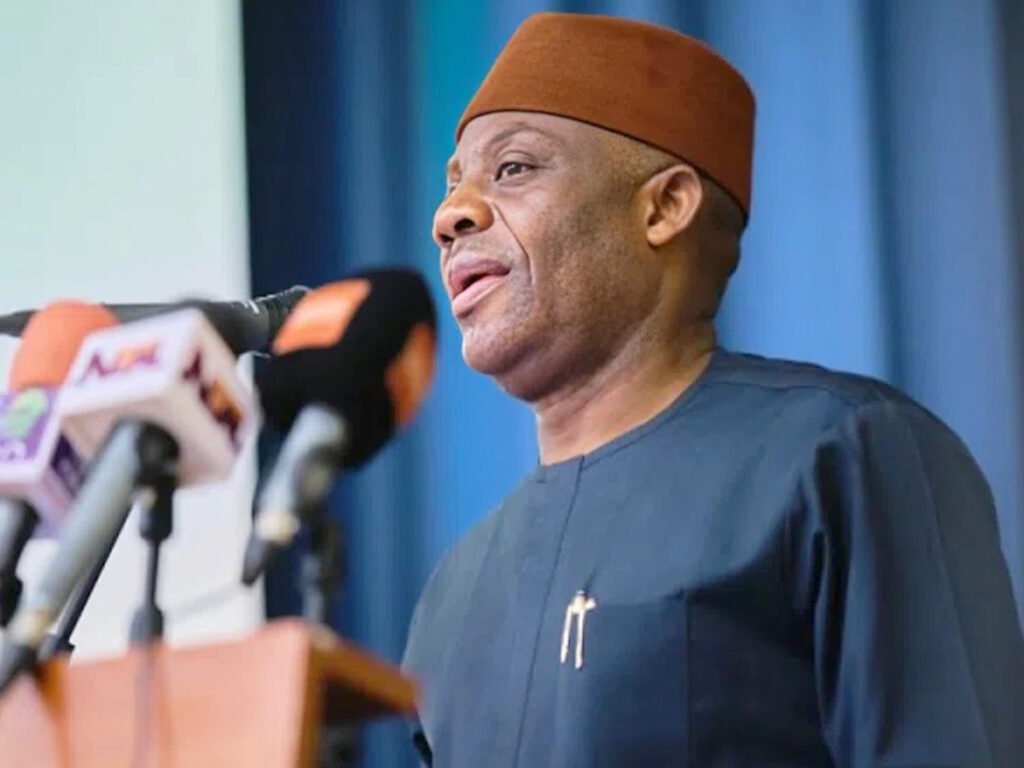

In a landmark policy reversal, Nigeria’s Federal Government has declared the end of the 2022 initiative to teach children in their indigenous languages across primary and junior secondary schools, reinstating English as the sole medium of instruction. This decision, announced by the Minister of Education, Dr Tunji Alausa, at the 2025 Language in Education International Conference in Abuja, has sparked intense debate among educators, linguists, parents, and policymakers.
The 2022 policy aimed to foster early literacy and cultural preservation by encouraging instruction in local languages during the initial years of schooling. Advocates argued it would improve comprehension, raise literacy levels, and strengthen community ties. However, comprehensive data reviewed by the ministry revealed that pupils taught primarily in their mother tongue struggled with national examinations such as WAEC, NECO, and JAMB, especially in English. The minister emphasised that such challenges hindered students’ academic progress and future opportunities.
“Years of data show that pupils taught mainly in indigenous languages perform poorly in critical exams,” Dr Alausa explained. “This policy has inadvertently hampered education quality in many regions, causing a need to restore uniformity in language instruction — hence, the return to English as the medium of instruction from primary through tertiary education.”
The policy shift has ignited heated discussions across Nigeria. Supporters believe a unified language policy, centred on English, can improve examination outcomes and global competitiveness. They point out that English’s status as Nigeria’s official language provides students with broader access to higher education and international opportunities.
Critics, however, warn that abandoning mother tongue instruction risks eroding Nigeria’s rich linguistic diversity and cultural identity. Many fear that children from rural or minority backgrounds — who often have limited exposure to English before school — will be further marginalised. There is concern that the policy may widen educational inequalities, especially in regions where children struggle with English from the outset.
Some educators and linguists argue that the country’s vast multilingual landscape makes implementation difficult. Teachers themselves often lack proficiency in their native languages, and the infrastructure to support bilingual education remains insufficient in many areas.
The policy in context, the government’s decision aligns with recent statements from the Nigerian Educational Research and Development Council (NERDC), which clarified that the use of mother tongue for early years was impractical across Nigeria’s diverse linguistic zones. The minister highlighted the logistical challenges posed by Nigeria’s regional dialects and emphasised that a common language was essential to unify the education system.
Furthermore, proponents contend that the policy reversal is part of a broader nationwide reform aimed at improving education quality, promoting national unity, and aligning with global best practices. The government has pledged to implement comprehensive teacher training and curriculum development programs to ensure a smooth transition back to English instruction.
International organisations like the British Council have offered support for Nigeria’s policy shift, emphasising the importance of language proficiency for socio-economic development. Nonetheless, many experts warn that proper implementation is critical. Without adequate teacher training, modern instructional materials, and community engagement, the change risks undermining initial intentions.
In rural Nigeria, where many children begin school with limited exposure to English, critics warn that the policy could further deepen educational disparities. Evidence suggests that children learn more effectively when taught in their mother tongue, at least in early years, before transitioning to English. Experts recommend a balanced approach — maintaining local languages in early education while strengthening English literacy from an early age.
Nigeria’s decision to revert to English as the primary medium of instruction marks a significant shift in its educational policy. While aimed at improving academic outcomes and ensuring national and global competitiveness, the move has unearthed deep concerns over cultural preservation and regional equity. Moving forward, stakeholders emphasise the need for strategic planning, extensive teacher training, and infrastructure development to ensure a seamless transition that benefits all learners.
Abba Abubakar Yakubu is a multimedia journalist and public affairs commentator. He writes from Jos, Plateau State, Nigeria.